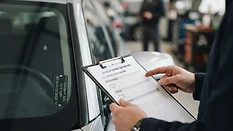

How to Buy a Used Car in Asaba: Complete Buyer’s Guide
A complete step-by-step guide to buying a used car in Asaba — from budget and choosing the right vehicle to verification, inspection, negotiation, payment and handover.
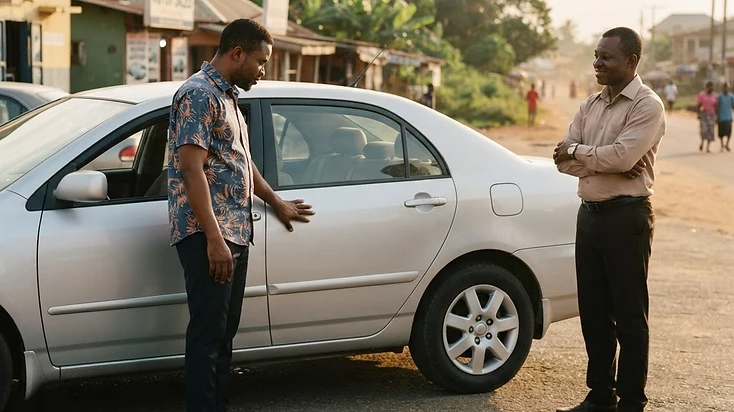
Buying a used car in Asaba is a major decision, and the process involves far more than picking a vehicle that looks good in photographs. From setting a realistic budget to driving away with the right documentation, each step matters. This guide walks through the complete used-car buying process in Asaba from start to finish, and connects you to our specialist guides for the deeper checks — physical inspection, vehicle verification, the Tokunbo-versus-locally-used decision, and transaction red flags.
The goal is simple: help you make a purchase based on evidence, suitability and a transaction you understand.
VERIFY BEFORE PAYMENT. INSPECT BEFORE PAYMENT.
1. Start With Your Actual Budget
Your buying budget is more than the advertised price of the vehicle. A car that fits the purchase price can still stretch you thin if you have not planned for the costs that follow the purchase.
Ownership and start-up costs can include:
- inspection and verification time or fees where you choose to use an independent mechanic.
- registration or document processing where applicable to the vehicle and your circumstances.
- initial maintenance — items the previous owner flagged or that surface on inspection.
- consumables such as tyres, battery, fluids and filters where they are due.
- insurance where applicable to you and the vehicle.
We deliberately do not publish fixed Nigerian cost figures here. Costs change over time, vary by vehicle and depend on your specific situation. The principle is what matters: plan for the costs after the purchase, not only the price on the listing.
Using every available naira on the purchase price leaves you exposed. A vehicle that needs tyres, a battery or servicing immediately becomes more expensive than its asking price suggested. Keeping a margin for these items is part of buying responsibly.
2. Decide What You Actually Need From the Car
Before comparing specific vehicles, think about how the car will actually be used. A vehicle that suits someone else may not suit you.
Consider:
- your daily commute distance and typical roads.
- family size and how often you carry passengers.
- road conditions where you live and travel.
- fuel consumption relative to your budget.
- maintenance and parts availability for the specific model.
- cargo or passenger requirements.
- whether a sedan, SUV, pickup or another body type fits your life.
No single brand or body type is universally best. Reliability depends on the specific vehicle's history, maintenance and condition — not its badge alone. Choose based on your real needs and the evidence in front of you, not on reputation alone.
On fuel consumption, remember that a vehicle's real-world economy depends on how and where you drive, not only the manufacturer figure. A larger engine may be affordable to buy but costlier to run if your daily distance is high. On parts and service, popular models in Nigeria usually have better parts availability and more competing mechanics, which can lower long-term running costs and reduce downtime when something needs fixing.
3. Tokunbo or Locally Used?
Many buyers start by asking whether to buy a Tokunbo (foreign-used) or a locally used vehicle. Neither label automatically determines quality. A well-maintained locally used car can be a better purchase than a neglected Tokunbo, and the reverse is also true.
The label is a starting point, not a verdict. Condition, maintenance history, mileage relative to age, and documentation matter far more than the category alone. For the full comparison — including purchase price, maintenance, resale and when each makes more sense — read our dedicated guide: Tokunbo vs Locally Used Cars in Nigeria.
4. Start Your Search With Realistic Expectations
When you begin comparing vehicles, compare the full picture rather than a single number:
- year and trim.
- claimed condition category.
- mileage claims.
- ownership and history where available.
- features included or missing.
- asking price.
- documentation offered.
- seller or dealer information.
A very attractive asking price deserves investigation, not automatic excitement. There are honest reasons a vehicle might be priced aggressively — an older model, higher mileage, or a seller who needs to move quickly. But an unusually low price combined with pressure to pay before inspection is a reason to slow down and ask why.
We do not publish current Asaba vehicle prices, because market values move and every vehicle is different. Judge each asking price against the specific vehicle, not against a label or a single advertised figure.
5. Where to Find Used Cars in Asaba
Used cars in Asaba are listed across several legitimate channels:
- automotive marketplaces.
- dealerships with fixed locations.
- dealer networks and referrals.
- social media listings.
- private sellers.
No channel is automatically safe or unsafe. A dealership can be legitimate or problematic; a private seller can be honest or unclear; a social-media listing can be genuine or copied. The channel where you find a vehicle does not replace verification and inspection.
Each channel has its own character. Dealerships with fixed locations are easier to revisit if a problem surfaces after purchase, and may offer some form of recourse, but a physical location does not by itself guarantee the vehicle's condition. Referrals from people you trust can reduce uncertainty about the seller, but still do not replace checking the vehicle itself. Social media and private sellers widen your options, but ask more of the buyer: identity, authority and the vehicle's real condition all need the same checks as any other channel.
Asaba Auto Exchange exists as a marketplace for discovering available vehicles. It brings listings into one place so you can compare options — but discovering a vehicle here does not mean it has already been inspected or verified for you. The checks in this guide still apply. Use the marketplace to find and compare vehicles, then complete the verification and inspection steps before payment.
6. Shortlist Before You Start Travelling Around
Asaba and the surrounding region have many vehicles for sale. Travelling to see every option is expensive and exhausting, and it pushes buyers toward rushed decisions. Shortlist first.
Useful comparison points for a shortlist:
- make and model.
- year.
- condition category being claimed.
- asking price.
- mileage claim.
- key features.
- seller or dealer.
- location.
- photos and available vehicle information.
A shortlist helps you focus on a few strong candidates. Do not make a purchase decision from photos alone — photographs can hide as much as they show. Use the shortlist to decide which vehicles are worth a physical visit and a closer look.
7. Ask Better Questions Before You Visit
Before you spend time and money travelling, ask the seller direct questions. Good pre-visit questions include:
- Is the vehicle still available?
- What condition category is being claimed?
- What exact year and trim is it?
- Are there known faults?
- Can I inspect before payment?
- Can I bring an independent mechanic?
- Can I verify the VIN/chassis and documents?
- Can I test drive before making a final decision?
The answers are starting information, not proof. A seller who says a vehicle is "accident free" or "first body" is making a claim you still need to check. A seller who refuses inspection or verification before payment is giving you useful information — regardless of how attractive the vehicle looks.
8. Verify the Vehicle Before Payment
Before any money moves, confirm the vehicle's identity and the seller's authority to sell it. Verification covers:
- VIN and chassis consistency.
- seller identity and authority.
- ownership and transaction documents.
- vehicle history where available.
- transaction consistency — the vehicle, the seller and the payment should all line up.
This section is deliberately concise. The full verification process — VIN checks, document comparison, seller authority and history — is covered in our specialist guide: How to Verify a Car Before Buying in Asaba.
VERIFY BEFORE PAYMENT.
9. Inspect the Physical Vehicle
Photographs and seller descriptions cannot replace a physical inspection. A clean exterior does not tell you about the engine, the suspension, the body underneath, or the signs of past repairs.
When you inspect, look across the main categories:
- body and paint.
- engine bay.
- interior and dashboard.
- tyres.
- suspension.
- a road test.
- signs of repairs or neglect.
This guide does not reproduce the full inspection checklist. For the detailed physical and mechanical inspection process, use our specialist guide: How to Inspect a Used Car Before Buying in Asaba.
INSPECT BEFORE PAYMENT.
10. Bring an Independent Mechanic When Appropriate
An independent mechanic brings technical judgment most buyers do not have. For an expensive purchase, a second pair of trained eyes is valuable.
Keep the mechanic's role in proportion:
- A mechanic can identify issues you would miss, but cannot guarantee a perfect car.
- Not every mechanic is equally qualified or objective.
- The mechanic's assessment is one input alongside verification, inspection and your own judgment.
If you do not have a trusted mechanic, the inspection guide and an independent third party are still better than relying on the seller's word alone. The point is independent judgment, not a guaranteed outcome.
11. Take the Test Drive Seriously
A test drive is one of the most useful checks available to an ordinary buyer, and it costs nothing but time. On a normal, safe drive you can observe:
- starting behaviour and whether the engine starts cleanly.
- warning lights on the dashboard.
- steering feel and whether the car pulls to one side.
- braking behaviour.
- unusual noises from the engine, suspension or brakes.
- transmission behaviour and gear changes.
- air conditioning and electrical functions.
- the general driving feel of the vehicle.
Drive normally and safely. Do not speed or attempt dangerous tests on public roads. These observations are not a definitive diagnosis — they tell you whether the vehicle deserves closer inspection by a professional.
It helps to drive a similar route for any vehicles you are seriously comparing, so the conditions are similar. Note down what you notice right after the drive, while it is fresh. If the seller refuses a test drive before payment, that refusal is itself a piece of information — a genuinely sellable vehicle can usually be driven under reasonable conditions before money changes hands.
12. Compare Evidence, Not Just Appearance
A clean-looking vehicle is not automatically the best purchase. A polished exterior can sit on top of poor maintenance, an unclear history, or documentation problems. Compare the evidence, not only the appearance:
- condition across body, engine and interior.
- history and ownership.
- documentation.
- inspection findings.
- maintenance needs.
- asking price relative to what you have found.
- suitability for your intended use.
Avoid absolute claims. A car is not "the best" because it looks clean, and it is not automatically bad because it has minor cosmetic wear. Weigh the evidence as a whole.
13. Understand Red Flags Before Money Changes Hands
As you move toward payment, watch for patterns that increase transaction risk:
- inconsistent vehicle details across the listing, the seller's story and the vehicle itself.
- seller identity inconsistencies.
- refusal to allow reasonable inspection or verification.
- unexplained, escalating pressure to pay quickly.
- payment destination inconsistencies.
- vehicle or document mismatches.
One red flag does not automatically prove fraud. A single odd detail can have an honest explanation. Multiple unresolved inconsistencies, however, justify slowing down or walking away. For the full guide to transaction red flags and payment safety, read Common Used Car Scams in Nigeria.
14. Negotiate From Evidence
Negotiation works best when it is based on what you have actually found, not on invented pressure. Ground your negotiation in:
- inspection findings.
- immediate maintenance needs you identified.
- comparable options you have shortlisted.
- the vehicle's condition.
- documentation — complete, partial or missing.
- features that are absent or non-functional.
- faults disclosed by the seller or discovered during inspection.
Do not use manipulative tactics, and do not invent competing offers to pressure a seller. Honest, evidence-based negotiation tends to produce better outcomes and avoids the distrust that comes with invented claims. We do not publish market prices; negotiate against the specific vehicle and the evidence in front of you.
15. Do Not Let Urgency Replace Due Diligence
Legitimate opportunities do move quickly — vehicles sell, and a seller may genuinely have other interested buyers. But urgency should never eliminate the steps that protect you:
- verification of identity and documents.
- physical inspection.
- document review.
- a clear understanding of who you are paying and why.
Urgency does not automatically equal fraud. A seller in a hurry may be entirely honest. The issue is when urgency is used to skip your checks. If the cost of a few hours of due diligence is losing the vehicle, weigh that against the cost of buying a vehicle you have not properly checked.
16. Before You Pay
Before any money moves, you should be able to answer these questions for yourself:
- Am I satisfied this is the vehicle that was advertised?
- Have I checked the vehicle's identity (VIN, chassis, documents)?
- Have I reviewed the available documentation?
- Have I inspected the physical vehicle?
- Have I test driven it where appropriate?
- Do I understand the known faults?
- Do I understand who I am paying and why?
- Do I understand what documents, keys and items I will receive after payment?
This is not a legal checklist. It is a practical pre-payment checkpoint. If you cannot answer these questions comfortably, it is not yet time to pay.
17. Payment and Handover
At payment and handover, keep the transaction disciplined:
- Confirm the payment recipient matches the seller and the transaction.
- Confirm the transaction terms both sides agreed to.
- Retain appropriate transaction records — reference numbers, timestamps and account details.
- Confirm the keys, documents and items being handed over match what was agreed.
- Do not complete payment while important discrepancies remain unresolved.
This guide does not recommend a single payment method as universally required, and it does not describe how to circumvent banking or verification procedures. Use the legitimate channels available to you, and confirm independently that funds and documents have actually moved before releasing the vehicle or completing your side.
18. What to Do Immediately After Buying
Once the vehicle is yours, a few sensible next steps protect your purchase:
- Secure the vehicle and keys.
- Retain your transaction and document records.
- Address the known maintenance needs you identified during inspection.
- Consider a baseline service — fluids, filters and checks — so you start from a known condition.
- Understand the registration and insurance obligations applicable to you as the new owner.
- Learn the vehicle's controls, service intervals and maintenance schedule.
On tyres, check the age and tread early — old tyres can look fine but become unsafe. On insurance, confirm what cover you need and what is already in place, rather than assuming the previous owner's policy transfers to you. Keeping a simple file — receipts, the inspection notes, the seller's contact details and the key documents — makes any future sale or service visit easier.
We do not fabricate statutory deadlines or legal requirements here. Confirm the obligations that apply to your specific situation through the appropriate official channels.
19. A Simple Used-Car Buying Workflow
A concise summary of the full process:
- Set a realistic budget that includes post-purchase costs.
- Define what you actually need from the car.
- Compare Tokunbo and locally used options where relevant — see Tokunbo vs Locally Used Cars in Nigeria.
- Search available vehicles.
- Shortlist before travelling.
- Ask pre-visit questions.
- Verify the vehicle identity, documents and seller — see How to Verify a Car Before Buying in Asaba.
- Inspect the physical vehicle — see How to Inspect a Used Car Before Buying in Asaba.
- Test drive.
- Compare evidence across your shortlist.
- Negotiate from evidence.
- Review payment and handover terms.
- Complete the purchase only when you are satisfied.
This workflow summarizes the process — the detailed steps live in this guide and in the specialist guides linked above.
20. Final Recommendation
A strong used-car purchase in Asaba should not depend on:
- photographs alone.
- seller promises alone.
- the Tokunbo or locally used label alone.
- price alone.
- urgency alone.
It should depend on evidence, suitability, condition, and a transaction you understand. Verify the vehicle's identity and documents. Inspect the physical condition. Compare the evidence across your options. Negotiate honestly. And complete the purchase only when you are satisfied.
VERIFY BEFORE PAYMENT.
INSPECT BEFORE PAYMENT.
When you are ready to compare available vehicles, browse cars for sale in Asaba through the marketplace and apply the steps in this guide before you pay.